Target Aiming Systems Representing User: Precision, Focus, and Strategic Objectives in Action
Target Aiming Systems Representing User is a concept that bridges the gap between human interaction and technological precision. These systems are designed to enhance accuracy, maintain focus, and support strategic decision-making through intuitive interfaces. Whether in gaming, military training, or technical applications, they offer a structured approach to achieving specific goals with measurable outcomes.
At their core, Target Aiming Systems Representing User are tools that translate user intent into actionable results. They often incorporate visual elements, such as dynamic targets, feedback mechanisms, and adaptive interfaces, to guide users toward optimal performance. The effectiveness of these systems depends on how well they align with the user's needs, environment, and objectives.
What Makes Target Aiming Systems Representing User Distinct?
Unlike generic aiming tools, Target Aiming Systems Representing User emphasize customization and adaptability. These systems are not one-size-fits-all; instead, they allow for adjustments based on individual preferences, task complexity, and real-time conditions. This flexibility makes them particularly valuable in scenarios where precision and responsiveness are critical.
One of the key features of these systems is their ability to represent the user’s perspective. By integrating user behavior patterns, cognitive load management, and environmental variables, they create a more personalized experience. For example, in a shooting simulation, the system might adjust target speed or visibility based on the user’s past performance, ensuring a balanced challenge without overwhelming the user.
Additionally, these systems often use color-coded feedback, interactive elements, and dynamic layouts to improve user engagement. This visual richness helps users maintain focus and quickly identify areas for improvement. In technical applications, such as robotics or engineering simulations, this can lead to faster problem-solving and better decision-making.
Comparing Target Aiming Systems Representing User with Similar Options
When evaluating targeting solutions, it’s important to consider alternatives that serve similar purposes. Traditional aiming systems, for instance, may rely on fixed parameters or basic feedback loops, which can limit their adaptability. In contrast, Target Aiming Systems Representing User offer a more nuanced approach by incorporating user-specific data and real-time adjustments.
Other systems, such as those used in virtual reality or augmented reality environments, also aim to enhance user interaction. However, they often prioritize immersion over precision. Target Aiming Systems Representing User strike a balance between immersion and accuracy, making them ideal for tasks that require both attention to detail and quick reflexes.
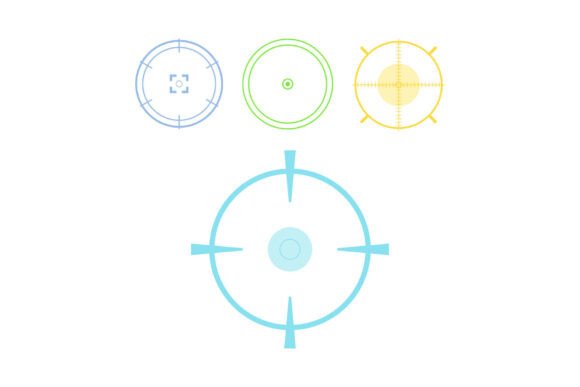
In gaming, for example, many titles include aiming assistance features like crosshair scaling or auto-aim. While these can be beneficial for casual players, they may not appeal to those seeking a more authentic experience. Target Aiming Systems Representing User provide an alternative that allows players to fine-tune their controls without relying on automated corrections.
Strengths and Tradeoffs of Target Aiming Systems Representing User
One of the primary strengths of Target Aiming Systems Representing User is their ability to improve user performance through targeted feedback. By highlighting areas where the user can refine their technique, these systems promote continuous learning and skill development. This is especially useful in high-stakes environments, such as competitive gaming or professional training programs.
Another advantage is their versatility. These systems can be adapted to a wide range of applications, from simple target practice to complex strategic planning. Their modular design allows developers to integrate new features or modify existing ones without disrupting the overall functionality.
However, there are tradeoffs to consider. Implementing a robust Target Aiming System Representing User can be resource-intensive, requiring advanced algorithms, hardware, or software integration. Additionally, the complexity of these systems may pose a learning curve for some users, particularly those unfamiliar with technical interfaces.
For example, in a medical training scenario, a highly detailed aiming system could help surgeons practice procedures with greater accuracy. But if the interface is too complicated, it might distract from the actual learning process. Striking the right balance between functionality and usability is essential.
Best-Fit Situations for Target Aiming Systems Representing User
Target Aiming Systems Representing User are most effective in situations where precision and strategic thinking are required. Gaming enthusiasts who want to sharpen their skills may find these systems invaluable for improving reaction times and shot accuracy. Similarly, professionals in fields like engineering, aviation, or defense may benefit from using these tools to simulate real-world challenges.
These systems are also well-suited for educational settings. In classrooms or training programs, they can help students visualize complex concepts and apply theoretical knowledge in practical scenarios. For instance, a physics lesson on projectile motion could be enhanced with a Target Aiming System that adjusts variables like angle, velocity, and wind resistance in real time.
Moreover, Target Aiming Systems Representing User can be useful in personal development contexts. Athletes, artists, or musicians might use them to track progress, set goals, and receive constructive feedback. The ability to measure improvements over time can be a powerful motivator for continued growth.
When to Consider Alternatives
While Target Aiming Systems Representing User offer many benefits, they may not always be the best choice. In cases where simplicity is preferred over complexity, a more straightforward aiming solution could be more appropriate. For example, a casual gamer looking for an easy-to-use interface might not need the advanced features of a full-featured aiming system.
Similarly, in low-stakes environments where speed is more important than precision, a system with minimal feedback or automation might be more efficient. Users who prioritize convenience over customization should evaluate whether the added complexity of Target Aiming Systems Representing User justifies the potential learning curve.
It’s also worth considering the availability of resources. If the necessary hardware, software, or technical support is limited, an alternative solution may be more practical. Assessing the long-term viability of a system is crucial before making a commitment.
Realistic Examples and Practical Comparisons
Consider a scenario where a team of engineers is designing a drone navigation system. Using a Target Aiming System Representing User, they can simulate different flight paths, test obstacle avoidance algorithms, and refine control mechanisms. This approach allows them to identify and address issues before deploying the drone in real-world conditions.
In contrast, a simpler aiming tool might only provide basic directional guidance, leaving out critical details about environmental factors or user input. While this could be sufficient for a basic prototype, it may not be adequate for a high-performance application.
Another example involves a shooter training program. A Target Aiming System Representing User could adjust target movement based on the trainee’s accuracy, creating a dynamic and challenging environment. This level of personalization is difficult to achieve with traditional training methods, which often rely on static targets or manual adjustments.
Ultimately, the decision to use Target Aiming Systems Representing User depends on the specific needs of the user, the nature of the task, and the available resources. By understanding the strengths and limitations of these systems, individuals and organizations can make informed choices that align with their goals.