Hand Drawing Diverse Concepts and Business: A Creative Resource for Modern Designers
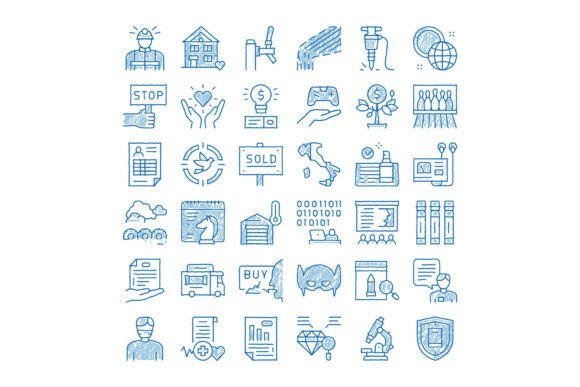
Hand drawing diverse concepts and business line art icons offer a unique blend of creativity and practicality, making them valuable tools for designers, entrepreneurs, and content creators. These illustrations span multiple industries, from construction and real estate to finance, technology, health, and gaming. Their visual cohesion ensures they can be used across various projects without disrupting the overall aesthetic.
Whether you're designing a website, creating marketing materials, or developing a presentation, hand-drawn icons add a personal touch that sets your work apart. However, understanding how to effectively use these assets requires more than just picking them up from a stock site. There are key considerations and common pitfalls that can impact your results if not addressed properly.
Common Mistakes When Working With Hand Drawn Line Art Icons
One of the most frequent mistakes is assuming all hand-drawn icons are created equal. While they may look similar at first glance, the quality, style consistency, and level of detail can vary significantly. Some icons might lack the refinement needed for professional use, while others may not align with your brand's visual identity.
Another common oversight is not checking the licensing terms before using the icons. Many free resources come with restrictions on commercial use, attribution, or modifications. Failing to understand these terms can lead to legal issues or unexpected costs down the line.
Additionally, some users underestimate the importance of scalability. Hand-drawn line art that looks great in a large format might appear too rough or unclear when scaled down for a mobile app or social media graphic. This can affect readability and overall user experience.
How Mistakes Impact Results and Usability
Using low-quality or inconsistent icons can make your design feel unprofessional, which can hurt your credibility. For instance, if you're creating a financial dashboard and the icons look hastily drawn, it may undermine the trustworthiness of the information presented.
Incorrect licensing can also lead to serious consequences. If you unknowingly use an icon that requires attribution but fail to credit the creator, you could face legal action or damage your reputation. Similarly, using a resource without proper permissions can result in fines or forced removal of your content.
Ignoring scalability issues can lead to poor user engagement. If an icon becomes blurry or distorted when resized, it may confuse users or detract from the overall design. This is especially important in digital environments where content must adapt to different screen sizes and resolutions.
Practical Advice to Avoid Common Pitfalls
To avoid these issues, start by thoroughly reviewing the quality and style of any hand-drawn icons you plan to use. Look for consistent linework, clear shapes, and appropriate detail levels. High-quality icons should maintain their clarity and appeal across different sizes and formats.
Before downloading or purchasing any set, always check the licensing agreement. Understand whether the icons are free for commercial use, if attribution is required, and if you're allowed to modify the artwork. This will help you avoid legal complications and ensure compliance with copyright laws.
Consider the context in which you'll use the icons. If you're designing for a mobile app, test the icons at smaller sizes to ensure they remain legible. For web or print use, confirm that the file formats provided (such as SVG, PNG, or EPS) meet your project's technical requirements.
What to Check Before Making a Decision
When evaluating a collection of hand-drawn line art icons, pay attention to the variety of concepts included. A strong set should cover a broad range of industries and ideas, ensuring that you have the right icon for almost any situation. For example, a business-oriented set should include icons related to finance, real estate, and technology, while a health-focused set might feature medical symbols, fitness graphics, and wellness-related imagery.
Also, consider the source of the icons. Reputable platforms often provide detailed descriptions, previews, and user reviews. These can give you insight into the quality, usability, and versatility of the icons. Avoid relying solely on price—sometimes cheaper options come with hidden limitations or lower quality.
Finally, think about the long-term value of the icons. Will they remain relevant to your future projects? Can they be adapted for different styles or branding needs? Choosing a flexible and well-rounded set can save you time and money in the long run.
Realistic Examples and Better Approaches
Imagine you're launching a new real estate website and want to use hand-drawn icons to illustrate property types, locations, and amenities. Instead of selecting generic icons from a free stock site, invest in a curated collection that includes specific real estate elements like houses, land plots, and construction sites. This ensures your visuals are both professional and relevant.
Another example is a tech startup looking to create a series of infographics. Rather than using low-resolution icons that look pixelated, choose high-quality vector-based icons that can be easily resized and customized. This not only improves the visual appeal but also enhances the overall professionalism of your content.
For a health and wellness blog, using hand-drawn icons that reflect mental and physical well-being can make your content more engaging. Whether it's a yoga pose, a heart symbol, or a meditation scene, these visuals can help convey complex ideas in a simple and relatable way.
Conclusion: Make Informed Choices With Hand Drawing Diverse Concepts and Business
Hand drawing diverse concepts and business line art icons offer a powerful way to enhance your designs, communicate ideas, and build brand identity. However, their effectiveness depends on how well you choose, use, and apply them. By avoiding common mistakes, checking licensing details, and considering scalability and quality, you can ensure that your visuals support your goals rather than hinder them.
Take the time to research and evaluate your options carefully. A thoughtful approach to selecting and using these icons will lead to better results, improved user experiences, and greater satisfaction with your creative work. With the right tools and knowledge, you can turn hand-drawn line art into a valuable asset for your projects.