Game Boy 3D Icons: A Nostalgic and Practical Design Asset for Modern Creators
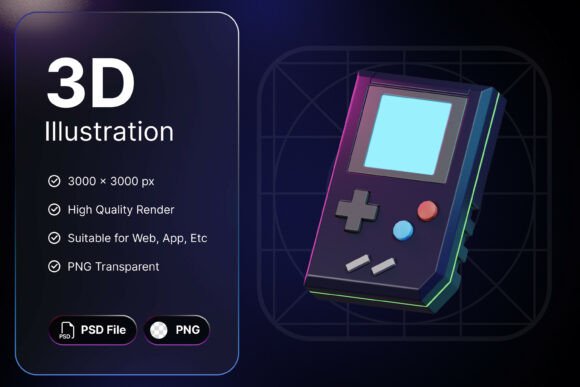
For creators, developers, and designers looking to infuse retro charm into their projects, Game Boy 3D Icons offer a unique blend of nostalgia and functionality. These high-resolution icons are designed to represent the iconic Game Boy handheld console in a three-dimensional format, making them ideal for a wide range of applications—from gaming apps to retro-themed branding. Whether you're working on a mobile game, a digital marketing campaign, or a collectible project, these assets can add visual depth and authenticity to your work.
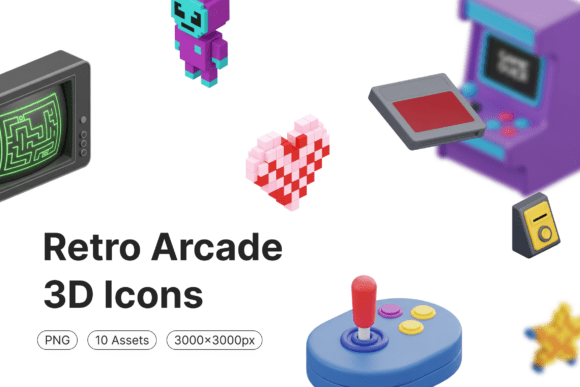
Each icon comes in multiple formats, including PNG and PSD files, with transparent backgrounds and a resolution of 3000x3000 pixels. This ensures that they can be used across different platforms and scales without losing quality. However, it's important to understand what these assets offer—and what they don’t—before incorporating them into your workflow.
Understanding What Game Boy 3D Icons Are and Why They Matter
Game Boy 3D Icons are digital assets that visually represent the classic Game Boy console in a 3D format. They are not just decorative—they serve as recognizable symbols for gaming experiences, especially those targeting fans of retro video games. Their design is rooted in the original Game Boy’s aesthetic, which has become a cultural touchstone for many gamers.
These icons are particularly useful for developers creating mobile games, indie game studios, or content creators who want to evoke a sense of nostalgia. They can also be used in educational materials, marketing campaigns, or even as part of a physical product design. The high resolution and transparent background make them versatile for both web and print use.
Common Mistakes When Working With Game Boy 3D Icons
While Game Boy 3D Icons are valuable, there are several common mistakes that users may make when selecting or using them. One of the most frequent errors is assuming that the icons can be customized in color or shape. According to the provided details, all assets are ready to use and cannot be altered. This means that if you need a different color scheme or a modified design, you’ll have to look for alternative assets or commission a custom design.
Another mistake is not checking the licensing terms before using the icons. While the assets are ready to use, it's essential to confirm whether they are free for commercial use or require attribution. Some assets may have restrictions that could affect your project’s viability, especially if you're planning to distribute your work publicly.
Additionally, some users may overlook the importance of file formats. While PNG and PSD files are standard, certain projects may require specific formats like SVG or JPEG. If you’re working on a platform that doesn’t support PSD files, you might need to convert the assets, which could affect image quality or workflow efficiency.
How These Mistakes Can Impact Your Work
Ignoring these details can lead to several issues. For example, if you assume the icons can be recolored and then discover they cannot, you may end up with a design that doesn’t match your brand or project vision. This can result in additional costs, time spent searching for alternatives, or even a compromised final product.
Similarly, failing to check licensing terms could lead to legal complications, especially if you're using the icons in a commercial context. Even minor oversights, such as not verifying file compatibility, can slow down your workflow or force you to find workarounds that may not produce the desired results.
Practical Advice for Using Game Boy 3D Icons Effectively
To get the most out of Game Boy 3D Icons, start by clearly defining your project’s needs. Ask yourself: What is the purpose of the icon? Will it be used in a game, a website, or a printed material? Knowing this will help you determine whether the provided assets meet your requirements.
Before downloading or purchasing, review the asset description carefully. Make sure you understand the limitations, such as the inability to change colors or shapes. If customization is necessary, consider reaching out to the provider or exploring other sources for similar assets.
It’s also wise to test the icons in your intended environment. For instance, if you're designing a mobile app, preview the icons at different screen sizes to ensure they remain clear and legible. Testing early can help you identify any potential issues before they become major roadblocks.
What to Check Before Making a Decision
Before committing to Game Boy 3D Icons, take the following steps:
- Verify licensing terms: Confirm whether the icons are free for commercial use, require attribution, or have other restrictions.
- Check file formats: Ensure that the available formats (PNG, PSD) are compatible with your design software or platform.
- Assess customization options: Understand whether the icons can be modified or if they must be used as-is.
- Test in your workflow: Use the icons in a small project or prototype to see how they perform in real-world scenarios.
By taking these steps, you can avoid common pitfalls and ensure that the icons enhance your project rather than hinder it.
Realistic Examples and Better Approaches
Consider a scenario where a game developer wants to include a Game Boy 3D Icon in their mobile game. If they assume the icon can be recolored to match their game’s theme, they may face disappointment when discovering the limitation. Instead, they could choose a different icon set that allows for customization or adjust their game’s color palette to align with the provided icon.
Another example involves a marketer creating a retro-themed campaign. If they download the icons without checking the license, they might inadvertently violate terms of use, leading to legal issues. A better approach would be to review the licensing information upfront and seek alternatives if needed.
By approaching Game Boy 3D Icons with awareness and preparation, you can make the most of these assets while avoiding unnecessary complications.